
Turn "hair salon near me" and "balayage Buckhead" searches into booked chairs — we get your salon into the Atlanta map pack and keep your stylists fully scheduled.
A beauty salon lives and dies by its calendar. Empty chairs cannot be sold back, and a stylist standing idle for an hour is revenue gone forever. That is exactly why search is the highest-leverage channel most Atlanta salons have: the person typing "balayage near me," "silk press Midtown" or "gel manicure open now" is not browsing — they are ready to book, often within the next few days. Capturing that moment of intent is worth far more than an impression on a feed.
The economics compound because salon clients are repeat clients. A new balayage client who loves her color comes back every eight to ten weeks, adds a gloss or a trim between visits, and refers a friend. Blowouts, fills and root touch-ups run on a calendar of their own. When you win a client through organic search, you are not buying one appointment — you are buying a relationship whose lifetime value can run into the thousands. That is what makes SEO's math so favorable for salons.
Paid ads have their place, but they charge you for every click whether or not it books, and the cost of clicks on high-value terms like "hair extensions Atlanta" keeps climbing. A service page that ranks organically for "keratin treatment Buckhead" keeps sending you clients month after month without paying per click. Layered on top of a well-optimized Google Business Profile, organic search becomes a bookings engine that does not switch off the day you pause a budget.
Atlanta is one of the most competitive and lucrative beauty markets in the Southeast. The metro is a national hub for Black hair care and natural styling, home to a deep bench of braiding, loc, silk-press and extension specialists whose clients travel across town for the right stylist. At the same time, affluent corridors like Buckhead and Sandy Springs support high-end color, luxury blowout bars and bridal work, while Midtown and the BeltLine draw a younger, trend-driven crowd. That mix means the search landscape shifts dramatically from one ZIP code to the next.
Neighborhood matters more here than in almost any other industry. A salon in Decatur competes for a very different searcher than one in Vinings or Alpharetta, and "near me" behavior dominates — people rarely drive past three good salons to reach a fourth. Because Atlanta traffic is brutal, proximity and parking are real ranking and booking factors, and clients filter hard on the map pack before they ever visit a website. If you are not in the top three local results for your neighborhood and service, you are effectively invisible for that search.
Demand is also seasonal in ways you can plan around. Prom and homecoming drive updo and makeup searches in the spring, wedding season fills bridal and blowout calendars from April through October, and the holidays spike color, extensions and party-ready styling in November and December. Salons that publish and optimize the right content ahead of each wave — rather than during it — capture bookings their competitors miss. Winning in Atlanta means being specific: the right service, the right neighborhood, at the right time of year.
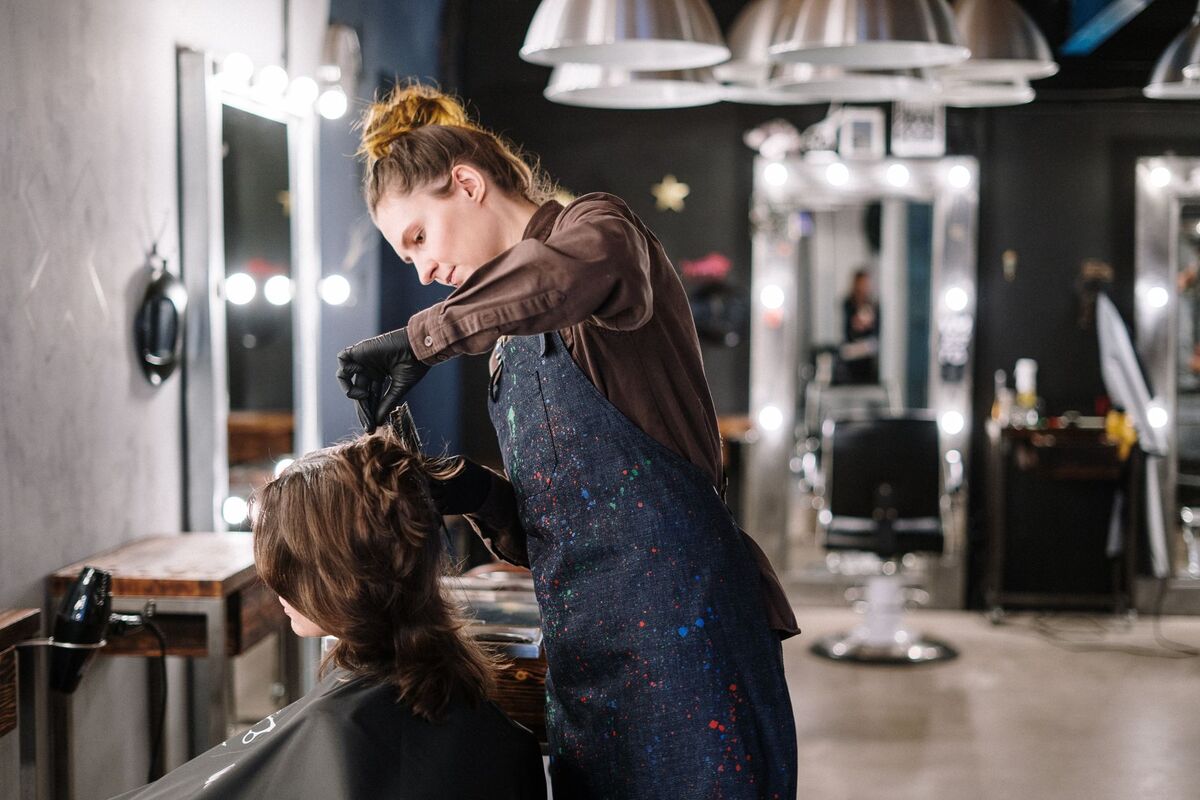
Google ranks pages, not homepages, so the salons that win build a dedicated, well-written page for each of their money services. These are the service categories we most often build and optimize for Atlanta salons:
Balayage, highlights, root touch-ups, gloss and vivid color — the highest-value, highest-repeat searches in the market.
Precision cuts, blowout bars, silk presses and styling — the recurring appointments that keep chairs full midweek.
Box braids, knotless braids, locs and natural styling — a signature Atlanta strength with strong, specific search demand.
Tape-ins, wefts, hand-tied extensions and keratin smoothing — premium services worth ranking for individually.
Gel manicures, dip powder, acrylics and pedicures — high-frequency bookings that reward strong local visibility.
Bridal hair, makeup, updos and prom styling — seasonal, high-margin work that clients research and book early.
For a beauty salon, the Google Business Profile is not one channel among many — it is the storefront. The three local results that appear above the regular listings for "hair salon near me" capture the overwhelming majority of clicks and calls, and getting into that pack is where local SEO earns its keep. We optimize your primary and secondary categories, load out every service with prices where appropriate, keep a fresh stream of photos of real work, and use Google Posts to promote openings, seasonal offers and new stylists.
Reviews are the fuel. Beyond raw star rating, Google rewards review velocity and relevance, so we set up a simple checkout flow that invites happy clients to leave a review that naturally mentions the service and neighborhood — "best balayage in Buckhead" is worth far more to you than a generic five stars. Responding to every review, good or bad, signals an active, trustworthy business.
Citations and NAP consistency do the quiet work in the background. Your name, address and phone number need to match exactly across Google, Yelp, Apple Maps, Instagram and the salon-specific directories and booking platforms your clients use. Inconsistencies confuse Google and dilute your ranking. For multi-neighborhood reach, we build dedicated geo landing pages — a page targeting Sandy Springs clients, another for Decatur — so you can rank beyond the immediate blocks around your address.
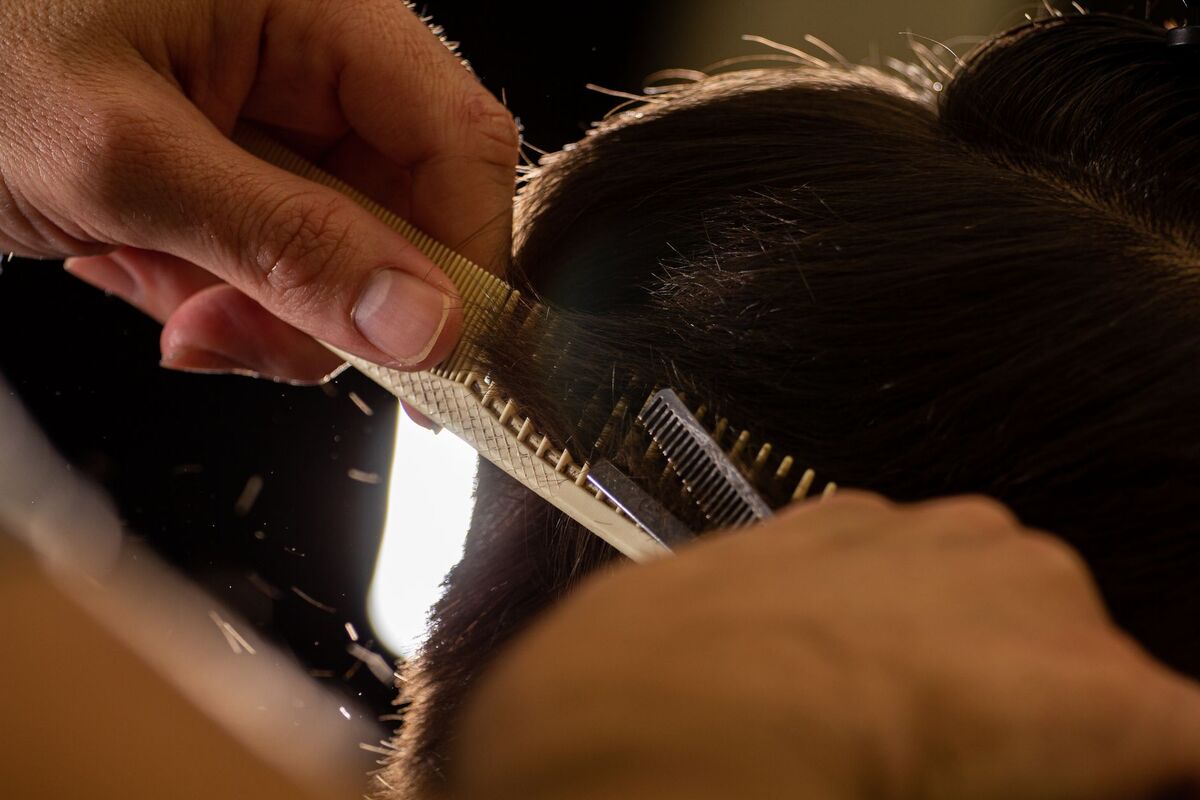
Salon content wins when it answers the exact questions clients ask before they book. The backbone is your service pages — a real page for balayage, one for knotless braids, one for keratin treatments — each written to cover process, pricing ranges, upkeep, how long it lasts and who it is right for. These pages carry the specific searches that generic homepages can never rank for.
Around those, topic clusters build authority and catch long-tail demand. Guides like "how to maintain balayage between salon visits," "box braids vs. knotless braids: which lasts longer," or "how to prep your hair for a keratin treatment" pull in searchers earlier in their decision, establish you as the expert, and give you natural internal links back to the service that books. Comparison and "how much does it cost" content is especially strong because it matches high-intent research queries.
Seasonal and local content compounds the effect. Publishing a "2026 Atlanta bridal hair guide" in January, prom-updo inspiration ahead of the spring formals, or a Buckhead holiday-styling piece before December lets you rank while your competitors are still reacting. Pairing each piece with real photos of your team's work signals both expertise and authenticity to Google and to the client deciding whether to trust you with their hair.
Google increasingly rewards genuine experience and expertise, and a salon has plenty to show if it surfaces it. Real, credited photos of your own work — not stock images — are the clearest experience signal you can send, so every service page should feature before-and-after shots from your chairs. Client reviews that describe specific results reinforce that you actually deliver what you claim.
Expertise and authority come from your people. Stylist bios that name their training, certifications, specialties and years behind the chair tell both Google and the client why they should book. Certifications matter here — a Balmain or Great Lengths extension certification, a certified colorist credential, or advanced keratin training are trust signals worth displaying prominently. Press mentions, feature work for local events, and being listed by reputable Atlanta beauty publications all build authority.
Trust is closed out with the practical details clients quietly check: transparent pricing or at least ranges, a clear cancellation policy, real address and hours, sanitation and licensing information, and consistent, professional responses to reviews. For a salon, licensing under the Georgia State Board of Cosmetology and visible health-and-safety practices are legitimate trust markers. The salons that show all of this convert far more of the searchers they attract.
How Atlanta clients discover salons is shifting fast. Google's AI Overviews now answer "best hair salon in Midtown for curly hair" directly at the top of the results, and a growing share of clients ask ChatGPT, Gemini or their phone's voice assistant to recommend a salon before they ever scroll a list. Voice and "near me" searches lean conversational — "who does the best knotless braids near me open on Sunday" — and the salons that get cited are the ones whose pages answer those questions plainly.
Being recommended by AI comes down to the same foundations, applied deliberately. A complete, active Google Business Profile with strong reviews is the single biggest factor in whether an AI tool surfaces you. Clearly structured service pages, FAQ content that answers real questions in plain language, and accurate, consistent information across the web all make you easier for a language model to quote confidently. Schema markup helps machines understand exactly what you offer and where.
The practical takeaway: write for the way clients actually ask. Instead of a vague "Our Services" block, publish specific answers — how long knotless braids take, what a full balayage costs in Atlanta, whether you take walk-ins. Those direct, trustworthy answers are what get pulled into AI results and voice responses, putting your salon in front of the client at the exact moment they are choosing where to book.
Most salon sites leak bookings for the same handful of reasons, and nearly all of them are fixable. The most common is the "everything on one page" problem: every service crammed onto a single page or, worse, locked inside a booking widget or a PDF price list Google cannot read. If your services are not on real, indexable pages, you cannot rank for them. We break them out into dedicated, optimized pages.
Fixing these is usually the fastest win we deliver. Getting real service pages indexed, tightening page speed on mobile, cleaning up citations and turning on a steady review flow can move a salon from the second page into the map pack in a matter of weeks.
We run a clear, repeatable process built around one goal: more booked chairs. It starts with a full audit of your site, Google Business Profile, reviews and top competitors in your neighborhood, then moves into strategy, on-page and local optimization, content, links and transparent monthly reporting so you always see what your investment is producing.
Every number above ties back to one outcome: a fuller calendar. We optimize for the searches that turn into appointments, not traffic that never books, and we report against the metrics an owner actually cares about.
Most Atlanta salons see local map-pack movement within 60 to 90 days once the Google Business Profile and on-page work is dialed in. Competitive service terms like "balayage Buckhead" or "silk press Midtown Atlanta" typically take four to seven months of consistent content, reviews and links to reach page one, depending on how established the salons around you already are.
Yes for services, usually not for individual stylists. Google ranks pages, not lists, so a dedicated page for balayage, extensions, keratin treatments, bridal hair or gel manicures gives you a real shot at those specific searches. Individual stylist bios are better as sections on an "our team" page unless a stylist is a personal brand driving their own search demand.
They are one of the strongest local ranking factors and often the deciding factor for the client. Salons compete on trust, and a Buckhead or Decatur searcher will scroll past a four-star salon with 40 reviews to book the one with 300. A steady flow of recent, keyword-rich reviews that mention services and neighborhoods improves both your map-pack position and your click-through rate.
Your Google Business Profile ranks strongest closest to your physical address, so if your salon is in Midtown you will dominate Midtown "near me" searches. To reach Buckhead, Sandy Springs, Decatur or Marietta clients you build location-focused service pages, earn reviews that mention those areas, and target searches those clients actually use. A single suite in Vinings will not out-rank a salon physically located in the neighborhood you are chasing.
They do different jobs. Instagram builds your brand and shows your work, but almost nobody searches Instagram for "balayage near me" at 9pm. SEO captures the person actively looking to book right now, and unlike a paid ad, a page that ranks keeps bringing bookings every month without paying per click. The strongest salons use social to inspire and SEO to capture the resulting demand.
It depends on how competitive your neighborhood and services are. A single-location salon in a suburb like Marietta needs far less than one fighting for Buckhead balayage and bridal terms. We scope work to your goals and your books, focusing first on the Google Business Profile, reviews and service pages that move bookings fastest, then expanding into content and links as results compound.
Yes. For a local salon the Google Business Profile is the single highest-leverage asset, so we optimize categories, services, photos and posts, fix NAP consistency across directories, and set up a simple review request flow your front desk can run at checkout. Map-pack visibility and review velocity usually move the needle before your website rankings do.
Let's get your Atlanta beauty salon ranking for the services and neighborhoods that book. Start with a free audit of your site, Google Business Profile and top local competitors.
Get your free salon SEO audit